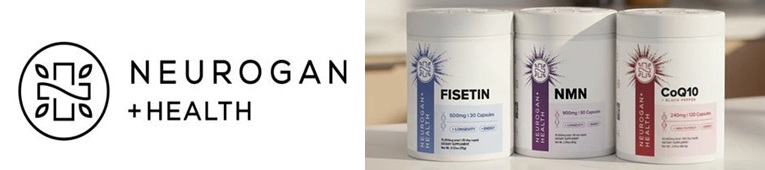

The NMN supplement market has undergone more change in the past 18 months than in the previous five years combined — driven partly by the FDA’s regulatory reversal in September 2025, partly by genuine product innovation, and partly by consumer migration toward alternative NAD+ precursors during the period of regulatory uncertainty. This update covers the most important developments for anyone navigating the current NMN product landscape.
The September 2025 FDA Ruling: NMN Is Officially Legal
The most consequential development for the NMN market in 2025 was not a new product — it was a regulatory one. On September 29, 2025, the FDA formally reversed its 2022 position and confirmed that NMN is lawful for use in dietary supplements in the United States.
The reversal came after a multi-year campaign by the Natural Products Association (NPA), which filed a citizen petition in March 2023, launched a federal lawsuit in August 2024, and obtained a court stay of FDA enforcement in November 2024 while the petition was under review. The FDA reversed course and confirmed that Beta (β) Nicotinamide Mononucleotide (NMN) is lawful for use in dietary supplements, formally ending nearly three years of regulatory uncertainty that had seen NMN removed from Amazon US and other major retail platforms.
The FDA’s legal rationale was that NMN was marketed as a dietary supplement prior to the date that an Investigational New Drug (IND) went into effect, meaning the drug preclusion clause that the agency had cited in 2022 did not apply. The ruling is definitive for NMN’s current regulatory status. The full background on what happened and why is covered in the article on why did the FDA ban NMN — and why is it legal again?
The practical consequence: NMN products that disappeared from major retailers during the enforcement period are returning to market. The competitive landscape has reset, and consumers can purchase NMN from established brands through mainstream channels with the same confidence as any other dietary supplement.
The Rise of NMNH: Market Growth During the Regulatory Gap
During the 2022–2025 period when NMN’s US legal status was uncertain, consumer interest shifted toward alternative NAD+ precursors — particularly NMNH (nicotinamide mononucleotide hydride), the reduced form of NMN. The sales of NMNH in the U.S. anti-aging market went up 1220% from 2023 to 2024 — a striking figure that reflects both consumer demand for alternatives during NMN’s legal uncertainty and genuine interest in NMNH’s preclinical evidence showing higher potency per milligram than NMN.
Whether NMNH’s dramatic market growth persists now that NMN’s legal status is restored remains to be seen. NMNH still lacks human clinical trial data, which limits how confidently practitioners and informed consumers can recommend it over the more established precursors. The complete picture on NMNH’s evidence and limitations is covered in the article on NMNH: the newer NAD+ precursor worth watching.
For consumers who tried NMNH during the NMN availability gap, the decision of whether to return to NMN or continue with NMNH depends on individual priorities: established human evidence base (NMN/NR) versus higher preclinical potency without clinical confirmation (NMNH).
Liposomal NMN: Growing Market, Continuing Quality Questions
Liposomal NMN formulations continued expanding their market share through 2024–2025, with liposomal NAD+ gaining a 324% increase from 2023 to 2024 in the US anti-aging supplement market. This growth has brought both legitimately improved products and an expanded category of products using “liposomal” as marketing language without the encapsulation quality to justify it.
One new piece of published research is worth noting in this context: a 2025 Japanese study (Kawakami 2025) compared blood NAD+ concentrations following liposomal versus non-liposomal NMN in a small pilot, examining whether the liposomal format produces meaningfully different NAD+ elevation. Early reports from this study suggest a modest but detectable absorption advantage for the liposomal formulation — though the trial is small and represents preliminary rather than definitive evidence. This is the kind of direct comparative human pharmacokinetic data the liposomal NMN category has needed, and more such studies are expected as the format matures.
The quality evaluation framework for liposomal NMN — encapsulation efficiency, particle size specification, phospholipid quality — remains as relevant as ever and is covered in full in the article on liposomal vs. standard NMN. The regulatory ruling does not change the quality evaluation criteria; it simply restores the competitive playing field on which quality NMN products can be fairly evaluated.
NMN + BioPerine Combinations
A 2024 pilot study published in Advances in Bioscience and Biotechnology examined NMN combined with BioPerine — a standardized black pepper extract (piperine) widely used as a bioavailability enhancer across supplement categories. The study found that oral administration of NMN with BioPerine increased serum NAD+ concentrations in healthy human volunteers compared to baseline. This is a small, open-label pilot rather than a definitive trial, but it has prompted several manufacturers to launch NMN + BioPerine combination products on the basis that the bioavailability-enhancing mechanism of piperine — which inhibits certain metabolizing enzymes and increases intestinal permeability for various compounds — may apply to NMN as it does to other supplements. Whether BioPerine meaningfully improves NMN absorption beyond a standard capsule with food is not yet established by larger randomized data, but the concept is mechanistically plausible and the pilot data provides a starting point.
The NMN + TMG Combination Category
Combination NMN + TMG products have expanded significantly, driven by the increased mainstream awareness of the methylation rationale for taking both together. Several established NMN brands now offer pre-combined capsules with both NMN and TMG at ratios consistent with the longevity community’s recommended pairing. The appeal is convenience; the tradeoff remains dosing inflexibility. These products are a legitimate category for people who have established their preferred NMN and TMG doses and want to reduce pill burden. Evaluate them on the same quality criteria as standalone NMN products — COA, purity, ingredient sourcing — applied to both components.
What Has Not Changed: Quality Evaluation Remains Essential
The FDA’s September 2025 ruling restores NMN’s legal market status but does not change the underlying quality landscape that makes product evaluation important. The same product quality problems that existed before 2022 — underdosed products, label inaccuracy, stability issues, poor packaging — persist. If anything, the return of NMN to major retail channels will attract more commodity products from suppliers who prioritize price over quality.
The quality evaluation framework — third-party COA verification, purity at 98% or above, identified ingredient sourcing, appropriate packaging, and cost-per-gram comparison — remains the most important tool for selecting an NMN product regardless of the regulatory environment. The complete guide to what that evaluation looks like in practice is in the article on how to choose an NMN supplement.