Edit Your Age is an independent resource covering the science of longevity supplementation — specifically the NAD+ ecosystem and the broader toolkit of compounds, lifestyle practices, and emerging research that serious people are using to support healthier aging. The site covers NMN, NR, resveratrol, senolytics, and the other supplements that appear in longevity stacks, as well as the lifestyle factors — exercise, sleep, fasting, stress — that interact with that supplementation in ways the science increasingly supports.
The name reflects the central premise: biological age is not fixed. It responds to what you do and what you take. The evidence that certain interventions slow, and in some contexts partially reverse, the cellular processes that drive aging has moved from fringe hypothesis to mainstream biogerontology over the past decade. This site exists to make that evidence accessible and actionable for people who take their health seriously.
Who This Site Is For
The target reader is someone who has heard about NAD+, NMN, or longevity supplements — perhaps from a podcast, a friend, or a David Sinclair interview — and is now doing serious research before spending money. Not a biochemist, but not someone who wants to be talked down to either. Typically in their 30s to 60s, health-conscious, willing to invest in quality supplements, and appropriately skeptical of hype.
If that describes you, you are in the right place. This site will not tell you NMN reverses aging. It will tell you what the human clinical trials actually showed, what the mechanisms are, where the evidence is strong, and where it is preliminary. It will also tell you what to look for in a quality product and what red flags to avoid — because the supplement market has significant quality variation, and knowing the difference matters.
What You Will Find Here
The site is organized into six content categories:
NAD+ & Aging 101 covers the foundational concepts: what NAD+ is, why it declines with age, how the NAD+ pathway works, and the biology of aging that makes all of this relevant. If you are new to this space, this is the place to start.
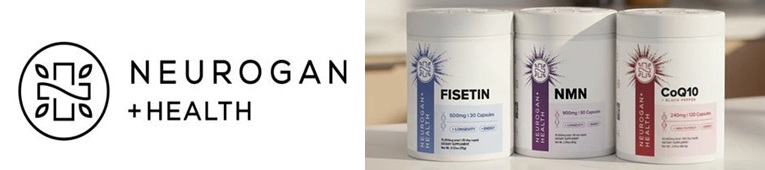
The Supplements provides complete guides to the individual compounds in the longevity toolkit — NMN, NR, resveratrol, berberine, fisetin, quercetin, and others. Each guide covers mechanisms, clinical evidence, dosing, safety, and how to choose a quality product.
Building Your Stack covers how to combine supplements intelligently — from a simple beginner’s protocol to a comprehensive advanced stack, with specific articles on the most important pairings, delivery methods, dosing, and timing.
The Science & Research is the deepest section — peer-reviewed evidence reviews, mechanistic deep-dives into the hallmarks of aging, and honest assessments of what human clinical trials on NMN and NR actually demonstrate.
Lifestyle covers the free interventions that support NAD+ levels and the longevity pathways — exercise, fasting, sleep, stress management, cold and heat exposure, and diet — because supplements work best on top of a solid lifestyle foundation.
Practical Guides & FAQs answers the specific questions people actually ask: Is NMN safe? What happens if I stop taking it? Does it interact with my medication? What should people over 60 know? Specific considerations for women and men.
How This Site Approaches the Evidence
Longevity supplementation exists in an uncomfortable middle ground between established medicine and unsubstantiated wellness claims. Most of what is marketed in this space oversells the evidence. Some of what circulates in skeptical circles undersells it. Neither serves the reader who wants to make an intelligent decision.
The approach here is to distinguish clearly between what is established in human clinical trials, what is supported by mechanistic reasoning and animal data, and what is speculative. Those are genuinely different categories of evidence, and treating them the same — in either direction — produces bad conclusions. When a trial is small or preliminary, it is called small and preliminary. When a finding has been replicated across multiple independent research groups, it is presented with the confidence that replication earns. When the science is genuinely uncertain, the article says so rather than manufacturing false certainty in either direction.
This site will never claim NMN extends human lifespan. It will not tell you that David Sinclair’s protocol is the only valid approach, or that any supplement is a substitute for exercise and sleep. What it will do is give you the most accurate, clearly calibrated account of where the science stands — so that when you make decisions about what to take, you are making them with accurate information.
A Note on Medical Advice
Nothing on this site constitutes medical advice. The information here is educational — it covers the science of NAD+ supplementation and longevity biology for people who want to understand it. It does not replace the guidance of a physician, pharmacist, or other licensed healthcare provider who knows your individual health history, medications, and circumstances.
Several articles include specific notes directing readers to consult a healthcare provider before making decisions — particularly for people with cancer histories, those on prescription medications with drug interaction concerns, pregnant or breastfeeding women, and people managing specific chronic conditions. These notes are genuine recommendations, not legal disclaimers. The supplement interactions covered on this site are real, and for some people in some circumstances they matter clinically. Please use this information as a starting point for an informed conversation with your healthcare provider, not as a substitute for one.
Keeping the Site Current
Longevity science is one of the fastest-moving fields in biomedicine. Human clinical trials on NMN and NR are publishing regularly, epigenetic reprogramming research is advancing, and the regulatory and product landscape changes. Edit Your Age is updated as significant new research emerges. Articles across the site are reviewed and updated when new evidence materially changes the picture.
If you encounter an article that appears out of date, or if you are aware of significant new research that has not been reflected, the contact page is the right place to flag it.